
The pokies floor used to be a place where the air smelled of stale beer and the carpet felt like it had survived a thousand spills. Now, a growing slice of the Aussie punt crowd is logging on from the couch after a long shift, expecting the same thrill without the trek to the nearest casino. That shift has pushed developers to chase something closer to a real-life floor, and the big leap has come through online casino 3D graphics that actually breathe. Instead of flat, cookie-cutter reels spinning in a grey box, punters are watching a digital bar that tilts toward the camera, a dealer who flicks a card with a wrist flick that looks real, and a background that shifts with the time of day just like a pub back room.
For a market that has spent decades treating the local casino scene like a weekend trip to Crown or a bus ride down to the Gold Coast, the jump to rendered environments feels like a proper upgrade. The old-school digital pokies were fine for a quick flutter, but they never quite captured the buzz of a live floor. Now the same software houses that built those flat screens are layering in depth, lighting that catches the edge of a chip stack, and animated crowds that ripple when a bonus round hits. It is less about flashy gimmicks and more about making a screen feel like a place you can step into, even when you are sitting in a weatherboard house in Parramatta with a cold one on the table.
The local appetite for that kind of polish has grown alongside the broader shift in how Australians gamble online. Mobile data is solid enough in most suburbs to stream a decent scene, and the crowd that once drove to a venue for a Friday night session now expects a login to feel like an event. That expectation has pushed operators to treat the visual layer as a core product, not just a coat of paint. The result is a market where the difference between a forgettable login and a sticky one often comes down to whether the rendered environment actually earns your attention, and that is exactly where online casino 3D graphics have started to separate the contenders from the also-rans.
The Tech Behind the Rendered Floor
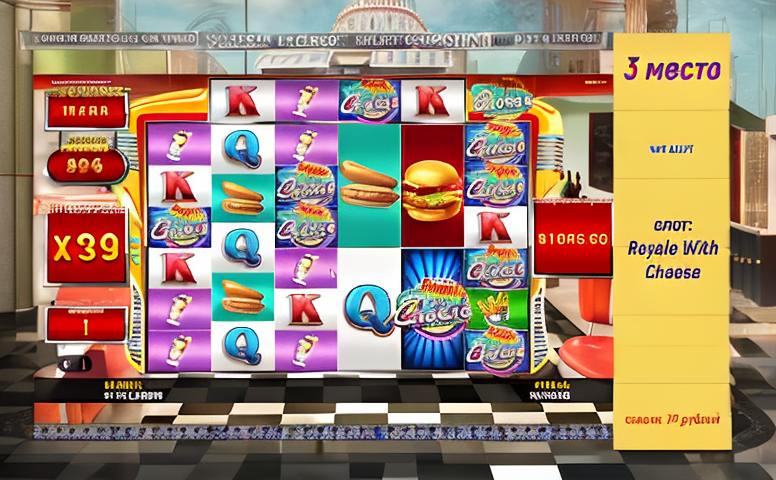
The jump from flat sprites to a proper rendered scene starts with the same kind of engine that powers a decent video game, only tuned for a betting interface instead of a boss fight. Developers are layering in real-time lighting so that a neon sign on a virtual bar actually throws a glow across the felt, and they are using depth mapping so that a stack of chips sits in front of the dealer rather than floating in a flat plane. The trick is keeping all that polish running smoothly on a phone with a dodgy data connection in a regional town, which is why the smart builds are optimised to drop detail levels without making the whole place look like a cardboard cutout.
Animation is where the difference between a gimmick and a proper environment really shows up. A well-built scene has the dealer’s hand move with weight, the cards slide across the table with friction, and the background crowd react in small waves rather than a single robotic cheer. That kind of detail is what turns a spin into a moment you actually watch instead of a button you mash while half-watching the footy. The best operators have learned that the visual layer has to earn its keep, because a heavy render that stutters on a mid-range handset is worse than a clean, simple screen that just works.
There is also a quiet engineering battle happening behind the scenes around asset loading and memory management. A rendered floor can easily bloat into hundreds of megabytes if every texture and prop is cranked to maximum, so the sensible builds are splitting assets into chunks that load as you move through the interface. That means the main lounge appears first, the side tables fill in a second later, and the fine details like bottle labels or chip edges only load when you are close enough to notice them. It is the same kind of thinking that keeps a streaming service from choking on a dodgy connection, and it matters just as much when the product is a betting floor you want to stay in for an hour.
What the Visual Leap Means at the Tables
The practical effect of a well-rendered environment shows up first at the tables, where the feel of the game changes when the cards and chips actually occupy space. A digital blackjack hand feels different when the dealer’s cards slide face-up across a felt surface with a bit of shadow under the edges, because your eye tracks the movement instead of just reading a result box. Roulette gets the same treatment, with the ball bouncing off the wheel in a way that feels physical rather than scripted, and that little bit of weight is what keeps punters watching the spin instead of drifting to another tab.
Pokies have taken the longest to adapt because the classic format was never about realism in the first place, but the new wave is borrowing from the table environment to give the whole session a bit more atmosphere. A modern video pokie can sit inside a rendered lounge with ambient lighting, a background that shifts when the bonus round hits, and symbols that catch the light as they spin. That does not change the maths under the hood, but it does change the rhythm of the session, because the eye has something to track and the brain registers the moment as an event rather than a repeat.
The social side of the tables has also benefited from the visual upgrade, because a rendered room gives the whole session a sense of place that a flat interface never quite manages. When a chat bubble pops up from another punter in the same virtual lounge, it feels like part of the environment instead of a detached notification, and that small sense of presence is what keeps a session feeling like a night out rather than a solo grind. It is a subtle thing, but subtle things are what turn a login into a habit.
Joe Fortune and the Local Competitive Scene
The local market has always been a bit different from the overseas setups, because Aussie punters expect a certain level of polish and a pay-up-front honesty that does not always travel well across borders. Joe Fortune has held its place as one of the leaders of the Australian market by treating that expectation as a baseline rather than a bonus, and the visual layer has been part of that push. The brand’s interface has leaned into a clean, rendered environment that feels more like a proper lounge than a cluttered dashboard, and that has helped it hold attention in a market where the next login is only a tap away.
The comparison below puts Joe Fortune alongside a few other names that have been chasing the same visual standard, with a focus on how each one handles the rendered layer rather than just listing bonuses that expire before you can use them.
| Operator | Visual Style | Render Quality on Mobile | Table Atmosphere | Local Aussie Fit |
| Joe Fortune | Clean lounge with soft lighting and animated dealers | Smooth on mid-range handsets, drops detail cleanly | Cards and chips feel weighty, crowd reacts in small waves | Strong fit for local expectations, clear pay-up-front layout |
| Operator B | High-contrast neon floor with fast-paced animation | Heavy on flagship phones, can stutter on older models | Bright and loud, more arcade feel than lounge | Eye-catching but less suited to a relaxed session |
| Operator C | Minimal rendered background with focus on game symbols | Light and fast, trades atmosphere for speed | Flat but functional, symbols carry the visual weight | Good for quick sessions, less presence on a longer night |
The takeaway from that spread is that the market is settling into a few distinct approaches, and the ones that hold Aussie attention are the ones that treat the rendered layer as part of the product rather than a dressing. Joe Fortune’s edge has come from keeping the environment readable and the animation smooth, which matters more in a local market where punters are logging on from a phone on the train or a laptop at the kitchen table rather than a dedicated rig.
Picking a Platform With a Proper Rendered Feel
Choosing a site that actually delivers on the visual promise is less about chasing the loudest promo and more about knowing what to look for before you commit to a session. The right platform will let you feel the difference between a flat interface and a proper environment within the first few minutes, and that difference usually shows up in the way the tables move, the way the lighting behaves, and the way the whole place holds together when you switch from one game to another. The following checks are the ones that separate a polished login from a flashy waste of time.
- Check whether the dealer and card movement has weight instead of sliding like a flat animation, because that is the quickest tell that the render is actually built for the table.
- Look at how the lighting behaves when you move between games, since a proper environment will shift the glow and shadow rather than keeping everything lit like a warehouse.
- Test the interface on a mid-range phone instead of only a flagship, because a render that only works on top hardware is not much use for a punt who logs on from a standard handset.
- See whether the background crowd or lounge details react to bonus rounds and wins, because a static backdrop is a sign that the visual layer is just decoration.Smartcompany
- Confirm that the tables feel like part of the same room rather than a separate window, since a cohesive environment is what keeps a session from feeling fragmented.
- Check the load time on a normal data connection, because a heavy render that takes forever to appear is a red flag for a platform that has not optimised the asset pipeline.
- Read the terms on any bonus offer before you commit, because a flashy lobby means nothing if the pay-up-front conditions are buried in fine print.
Keeping the Session Smooth on Aussie Connections
The local reality is that a decent render still has to survive a suburban data connection that drops out halfway through a spin, and that is where the sensible platforms earn their keep. The ones that handle the Australian reality well are the ones that have tuned the asset pipeline to load the main room first and fill in the fine detail as the connection allows, which means you get a proper environment without waiting for a massive file to crawl through a dodgy signal. It is the same kind of thinking that keeps a streaming service watchable on a train through the outskirts of Melbourne, and it matters just as much when the product is a betting floor you want to stay in for an hour.
Mobile optimisation is not just about file size, because the way a render behaves on a touch screen changes the whole feel of the session. A well-built interface keeps the tap targets clear, the cards and buttons responsive, and the animation smooth enough that you are not chasing a laggy screen while trying to follow a hand. That matters more in a market where a lot of the action happens on a phone in a crowded train carriage or a laptop at the kitchen table, because a clunky interface kills the mood faster than a flat design ever could.
The local crowd has also learned to expect a certain level of honesty in the layout, and that expectation carries over into the visual layer. A platform that hides the important stuff behind a glossy render is a quick turn-off, because the Aussie punt is used to a clear table and a clear deal. The best builds keep the render as a backdrop that adds atmosphere without getting in the way of the actual play, which is why the sites that hold attention are the ones that treat the visual layer as support rather than the main event.
What This Means for Aussie Punters
For the local punter, the shift toward a proper rendered environment means the login is starting to feel less like a transactional spin and more like a night out that happens to be on a screen. That change matters because the Aussie market has always valued the feel of the session as much as the result, and a well-built environment gives the eye something to track and the brain a sense of place. It is not about chasing a gimmick, because the maths under the hood stays the same, but about making the session feel like an event rather than a repeat, which is what keeps a punter coming back to the same lounge instead of drifting to the next tab.
The practical side is that a polished render has to earn its keep on a local connection and a local device, which means the platforms that hold up are the ones that have tuned the asset pipeline and the mobile interface for the reality of a suburban data signal and a mid-range handset. That is the kind of thinking that separates a site worth a proper session from lalua.vn one that looks flashy for five minutes and then chokes when the connection dips. For a market that logs on from a phone on the train, a laptop at the kitchen table, or a tablet in the backyard after a long shift, that practical polish is what turns a login into a habit.
The local competitive scene has also started to reflect that expectation, with brands like Joe Fortune holding their place by treating the visual layer as part of the product rather than a coat of paint. The comparison above shows that the market is settling into a few distinct approaches, and the ones that hold Aussie attention are the ones that keep the environment readable, the animation smooth, and the terms clear. For a punter weighing up where to log in for a proper session, that is the real signal, because a flashy lobby means nothing if the render does not hold up when you are actually playing.
The broader takeaway is that the visual layer is becoming a genuine part of the local product, not just a shiny extra, and that shift is changing what punters expect from a login. A site that treats the rendered environment as a core part of the experience is the one that holds attention, because the Aussie crowd has always valued a proper feel and a clear deal, and the new wave of online casino 3D graphics is finally starting to deliver both. For anyone weighing up where to spend a session, the signal is clear: look for the environment that holds together on a normal connection, plays smooth on a standard handset, and treats the table like a place rather than a dashboard.tower-rush-casino-au.com